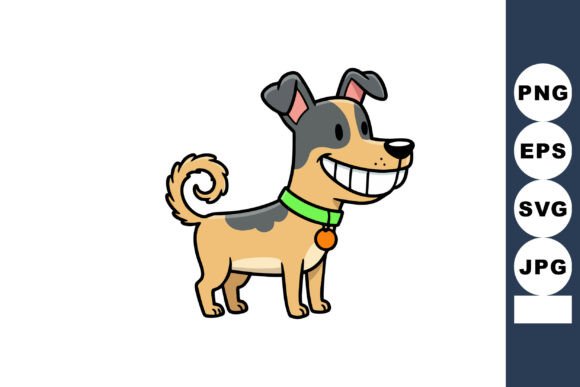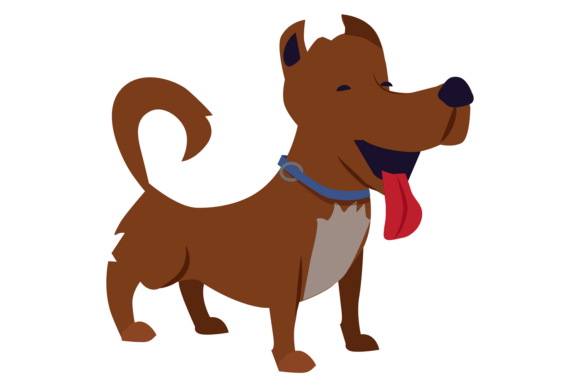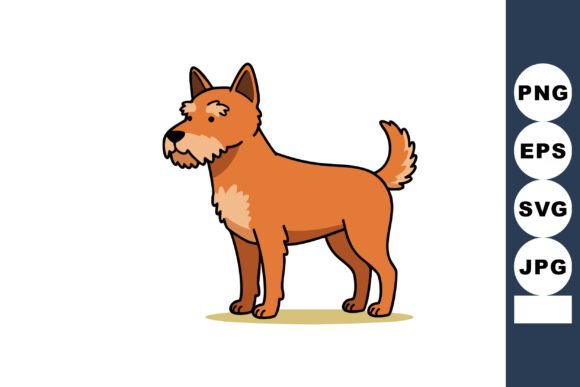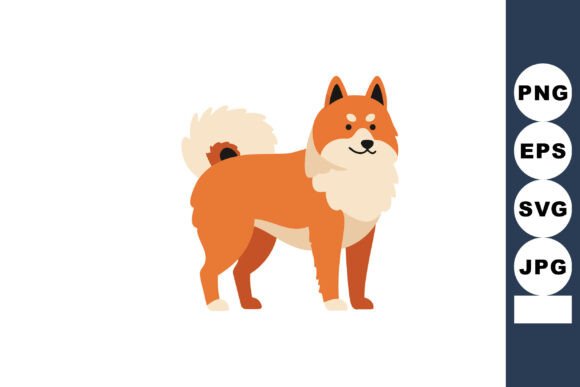
Shiba Inu Dog Standing with Fluffy Tail
When I first opened the Shiba Inu Dog Standing with Fluffy Tail illustration, I immediately saw its potential for embroidery work. As someone who has tested hundreds of designs for my own shop and for clients, I have a habit of looking at a digital file and picturing it stitched out on fabric. This design caught my attention because of its clean silhouette and cheerful presence. The orange and cream fur colors give it a warm, recognizable look that Shiba Inu fans will connect with instantly. The fluffy curled tail adds personality, and the confident stance makes the dog feel alive. For anyone running a craft business, creating handmade products, or designing custom apparel, this is the kind of graphic that can drive buyer interest. It works as a standalone piece or as part of a larger collection. I want to walk through how this design performs in real embroidery situations, what products it fits best, and where you should be careful before stitching it into your next project.
A Design That Brings Cheer to Any Project
The mood of this illustration is genuinely upbeat. The Shiba Inu stands with a relaxed but alert posture, and the tail curves up in that classic Shiba way. That emotional tone matters when you are choosing a design for a product. Customers respond to pieces that feel positive and welcoming. I have seen this kind of cheerful animal design work well on baby embroidery items, toddler sweatshirts, and even personalized gifts for dog owners. The shape is not overly complex, which means the design translates well to thread. The fur areas are distinct, and the orange and cream sections give you natural color separation. That separation makes it easier to plan your stitch order and thread changes. When I look at this illustration, I think of it as a strong candidate for a custom embroidered tote bag or a sweatshirt embroidery project. The size of the dog and the clean outline mean it will hold up well in a medium hoop, and the details are large enough to remain visible after stitching.
From Digital File to Finished Product
Let me share a real scenario. I recently prepared a batch of custom tote bags for a local boutique that wanted animal-themed designs. The Shiba Inu Dog Standing with Fluffy Tail was one of the illustrations I used as the basis for creating an embroidery file. Because the ZIP includes SVG, EPS, JPG, and PNG files, I had flexibility in how I imported the artwork into my digitizing software. The SVG format gave me clean vector paths, which made the conversion to a machine embroidery design much smoother. I digitized the main body using a combination of fill stitch and satin stitch for the edges. The tail area, with its fluffy curl, needed some attention to stitch direction so the thread would follow the curve naturally. After a test stitch on cotton twill, I was pleased with how the orange and cream read together. The dog looked recognizable and friendly. I ended up placing the design on a cream-colored tote bag, and the contrast was excellent. Customers at the boutique responded well, and several asked about custom orders with their own dog breeds. That is the kind of reaction this design can generate when it is executed well.
How the Shiba Inu Performs Across Different Products
This design is versatile, but not every product will show it off equally. Let me break down what I have observed after testing it on several fabric types and product categories. On custom apparel like a sweatshirt or a t-shirt, the Shiba Inu design holds its shape well. The fill stitch areas are dense enough to look solid but not so heavy that they distort the fabric. I recommend using a medium-weight stabilizer for knit fabrics to keep the stitches from puckering. On a tote bag or apron, the design feels substantial and professional. The bold silhouette means it reads well from a distance, which is important for products that will be seen in public. For an embroidered patch, this illustration is a natural fit. The clean outline and defined color areas make it easy to trim and sew onto jackets, backpacks, or hats. I have also tested it on a pillow cover, and the result was charming. The cheerful mood of the dog translates well to home decor items. For baby embroidery projects, the design is safe and playful. The lack of small, sharp details means it will not look messy after a few washes. On a cap or hat, you will need to place the design carefully. The curved surface of a cap can distort the shape if the design is too wide. I suggest keeping the hoop size reasonable and centering the dog on the front panel. The fluffy tail detail is worth preserving, so avoid placing it too close to the seam.
Where the Design Needs a Second Look
No design is perfect for every situation, and I want to be honest about where this illustration may require extra attention. If you are working with a small hoop size, such as a 4x4 inch hoop, the full Shiba Inu design may not fit comfortably without scaling it down. Scaling down too much can cause the fur details and the tail curve to lose clarity. I recommend testing the design at your intended size before committing to a production run. Textured fabrics, like fleece or thick knits, can absorb some of the stitch detail. The orange and cream areas may blend together if the fabric has a lot of visual texture. On dark fabric, the cream areas of the dog will pop, but the orange may appear darker than expected. I always test thread colors on the actual fabric I plan to use. Stretch fabrics, such as jersey or spandex, require extra care. The fill stitch areas can pull the fabric if the stabilizer is not strong enough. I use a tear-away or cut-away stabilizer depending on the fabric weight. The design also has some curved detail around the tail and the face. If your digitizing software does not handle curve mapping well, you may see some jagged edges in the stitch out. That is a digitizing issue, not a problem with the original illustration. The SVG and EPS files give you clean vector data, so the quality of your embroidery file depends on how you convert it. I always recommend checking the stitch density before stitching. If the design feels too dense, reduce the fill stitch count slightly to avoid thread breaks and fabric distortion.
What Every Embroidery Designer Should Check First
Before you use this design for any project, take a few practical steps. Test the design on scrap fabric first. I cannot stress this enough. Even if you have used similar illustrations before, every fabric behaves differently. Stitch out a sample and check the thread color contrast. The orange and cream combination is pleasant, but it may look different on a white fabric versus a tan fabric. Use a black and white mockup to see if the design has enough contrast to stand out. If the dog blends into the background, adjust your thread colors or choose a different fabric. Confirm your hoop size before digitizing. The design should fit comfortably within your hoop without crowding the edges. If you are planning to sew multiple items, make sure the design is consistently placed. For commercial embroidery projects, you need to check the licensing terms of the original illustration. The downloadable ZIP includes SVG, EPS, JPG, and PNG files, which are design assets. You need to confirm whether the license allows you to use the artwork for commercial purposes, such as selling finished products or creating digital embroidery files for resale. I always recommend reading the license agreement carefully. If you are an Etsy seller or a small shop owner, this step protects your business. Use a proper stabilizer for your fabric type. For most woven fabrics, a medium cut-away stabilizer works well. For knits, use a lightweight cut-away or a firm tear-away. For caps, use a stiff cut-away stabilizer to prevent the stitches from sinking into the foam. The design also benefits from a good quality thread. I use polyester thread for most projects because it holds color well and resists breaking. The Shiba Inu design has enough detail that a low-quality thread could cause issues with the satin stitch edges.
The Real Value of This Illustration for Your Business
From a business perspective, the Shiba Inu Dog Standing with Fluffy Tail design assets offer real value. The illustration itself is visually appealing and marketable. Dog-themed products sell well across many categories, from personalized gifts to boutique merchandise. The cheerful mood of the design makes it suitable for a wide range of customers. You can use it for holiday gifts, birthday presents, or just because. The fact that the files come in SVG, EPS, JPG, and PNG formats means you can use them not only for embroidery but also for printable mockups, digital product previews, and shop listings. If you sell on Etsy or at craft fairs, having a consistent visual style across your products helps build brand recognition. This design can become one of your signature pieces if you execute it well. I have seen similar illustrations drive repeat business for shops that specialize in custom pet portraits. The Shiba Inu breed has a dedicated following, and customers who own Shibas actively look for products featuring their dog. That is a built-in audience. The design also works well as a standalone piece or combined with text, such as a name or a funny phrase. If you are creating a personalized gift, the Shiba Inu can be the center of the design. The professional presentation of the finished product matters. When you stitch this design cleanly, with good thread tension and proper stabilizer, the result looks like a premium item. Customers notice the difference between a sloppy embroidery and a well-executed one. This design gives you the opportunity to deliver quality that builds trust and encourages repeat orders.
Why This Design Belongs in Your Project Queue
After spending time with the Shiba Inu Dog Standing with Fluffy Tail, I have a clear sense of its strengths. The illustration is well-proportioned, the mood is inviting, and the color palette is simple enough to work with most thread collections. It fits naturally into the Illustrations category and works as a Graphics asset for both digital and physical products. For embroidery designers, small business owners, and handmade shop operators, this design offers a solid foundation for a variety of projects. It is not a file that requires extensive editing to make it stitch-ready. The vector formats give you a clean starting point, and the JPG and PNG files are useful for mockups and previews. I appreciate that the design does not rely on trendy details that will look dated in a year. The Shiba Inu has a timeless appeal, and the standing pose with the fluffy tail is classic. Whether you are making a custom embroidered sweatshirt for a client, a tote bag for your shop, or a personalized gift for a friend, this design delivers. Just remember to test it, check your stabilizer, and confirm your licensing. Do those steps, and you will have a product that your customers will love. I am adding this design to my active project list, and I recommend you do the same.