I Love My Samoyed to the Moon and Back
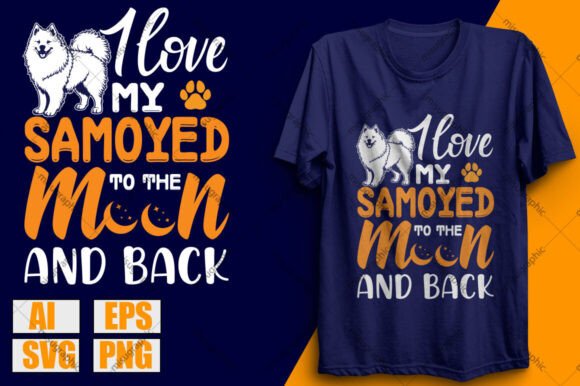
As someone who has spent years both digitizing and stitching out commercial machine embroidery designs, I have learned to read an embroidery file the way a mechanic reads an engine. Before the needle drops, I can usually tell whether a design will stitch cleanly, whether it will hold up after a dozen washes, and whether it will make a customer smile every time they reach for that garment. When I first opened I Love My Samoyed to the Moon and Back, I immediately started thinking about which projects would do it justice and which ones would test its limits. This design is built around a sentiment that dog owners know well. That phrase carries a specific emotional weight for anyone who has shared their home with a Samoyed. The fluffy white coat, the perpetually happy expression, the stubborn charm, the quiet loyalty. This design captures that bond without needing to overexplain it, and that restraint is what makes it a strong candidate for real embroidery work.
The design comes as an EPS file and a PNG file with dimensions listed as 4500×5. I will assume that last digit is a typo or shorthand, because a 4500-pixel width suggests a generous scale. That matters for embroidery because it means the design can be sized down for smaller products without collapsing into a blob of thread, and it can also run large across the back of a sweatshirt or tote bag. I always tell shop owners to test a design at the actual stitch-out size before committing to production, but the digital file dimensions here hint at decent headroom for resizing. If you are working with a commercial embroidery license, the file format also matters. EPS is vector based and translates well into most digitizing software, and PNG gives you a clear preview for mockups and printable mockup listings. That combination makes this design asset practical for both digital product sellers and hands-on apparel decorators.
First Impressions and the Mood It Creates
The personality of I Love My Samoyed to the Moon and Back is warm, playful, and quietly sentimental. It does not scream for attention. Instead, it settles into the fabric like a inside joke between the wearer and their dog. That tone is exactly what sells in small shop merchandise, especially for handmade products aimed at dog owners who are tired of generic pet graphics. The phrase is familiar enough to feel like a greeting card classic, but specific enough that only Samoyed owners will feel the full weight of it. That specificity is valuable for an Etsy seller or craft business owner because it targets a niche audience that is actively searching for designs that reflect their exact breed. It also works for holiday embroidery projects, because the moon and back phrase naturally pairs with gift giving. I can see this on a Christmas sweatshirt for a dog mom, a Valentine personalized gift for a dog dad, or a birthday tote bag design for a friend who treats their Samoyed like a child.
Visually, the design layout matters. The lettering needs to be clear enough to read at a glance, and the moon reference needs to read as whimsical rather than kitschy. In the PNG preview, the typography appears clean and modern without being overly scripted. That is a relief because highly scripted fonts can cause registration problems in satin stitch, especially at smaller hoop sizes. The layout appears balanced, which means it will translate well into fill stitch and running stitch combinations. I would want to see how the design handles a mix of stitch types, but the initial impression is that the designer kept the silhouette simple enough for commercial embroidery while preserving the charm that makes the phrase memorable.
Real Embroidery Performance Across Products
When I evaluate a design for real project use, I think about the full range of products a small business owner might stitch it onto. I Love My Samoyed to the Moon and Back performs best on medium to large surfaces where the lettering can breathe. A crewneck sweatshirt or a heavy cotton t-shirt is an obvious choice, and the design will hold up nicely there if you use proper stabilizer and a medium weight cutaway. The tote bag market is another strong fit. Canvas totes are popular in boutique branding and craft fair products, and this design reads as a lifestyle statement rather than a novelty print. That matters because customers who buy tote bags often want something that looks intentional, not slapped on. The design also works beautifully on an embroidered patch. A patch format lets you stitch it onto a cap, a denim jacket, a backpack, or even a pillow cover. Patches give you the flexibility to sell the design as a standalone product or as part of a larger handmade collection.
Baby embroidery is another category worth considering. Samoyed owners often treat their dogs as first children, and a baby onesie or baby blanket with this phrase makes a surprisingly heartfelt personalized gift. The design needs to be scaled down for a 4x4 hoop in that case, and you should test whether the smallest letters remain legible in satin stitch. If the letters become too narrow, consider switching to a running stitch for the fine details. I have used similar phrase designs on kitchen towels for holiday embroidery gifts, and the moon and back theme works well for Christmas, Mother's Day, or even wedding gifts for couples who own a Samoyed together. The key is to match the fabric weight to the stitch density. Lighter fabrics like t-shirt knits need a lightweight cutaway stabilizer and careful hooping to avoid puckering around the lettering.
Where to Use Caution
No design is perfect for every surface, and I Love My Samoyed to the Moon and Back has a few limitations that any craft business owner should consider before production. Small hoop sizes are the most obvious challenge. If you try to fit this design into a 3x3 hoop, the lettering will likely become too dense and the smaller characters may distort during stitching. I recommend a minimum 4x4 hoop for any version of this design, and a 5x7 hoop will give you much more comfortable spacing. Textured fabrics like fleece, terry cloth, or heavy sweater knits can also cause problems. The lettering needs a smooth surface to register cleanly, and thick textures can swallow the stitches, making the phrase harder to read. If you must stitch onto a textured fabric, use a water soluble stabilizer on top to hold the stitches in place.
Stretchy fabric is another area where I advise caution. Lightweight jersey knits, spandex blends, and ribbed cuffs can distort the design if the fabric shifts during hooping. Always use a cutaway stabilizer with a medium to heavy hand on stretchy garments, and float the garment rather than hooping it directly if you are working with a particularly unstable knit. Dark fabric is also worth mentioning. The design will show up best on light or medium background colors because the stitch details are more visible against a high contrast background. On black or very dark navy, the lettering may lose some of its definition unless you use bright thread colors and increase the density slightly. Test on a scrap of your actual fabric before stitching a finished product.
Curved surfaces like caps and hats present their own set of challenges. The design is not naturally curved, so you will need to adjust the layout in your digitizing software to match the cap profile. If you are not comfortable editing embroidery files, I would stick to flat surfaces like t-shirts, tote bags, and aprons for this design. Dense stitch areas also deserve attention. If the design includes a large fill stitch section, the thread tension needs to be dialed in carefully to avoid puckering or thread breaks. I always run a test stitch on scrap fabric before cutting into a garment, and I recommend the same discipline to every Etsy seller and small shop owner who works with this file.
Visual Appeal, Product Value, and Customer Trust
The way a design looks after stitching directly affects how much a customer is willing to pay for the finished product. I Love My Samoyed to the Moon and Back has the kind of clean, confident layout that supports a higher price point because it looks intentional and professionally digitized. When a customer receives a custom apparel piece with clear, crisp lettering and no pulled threads or distorted shapes, they trust the maker. That trust translates into repeat business, word of mouth referrals, and higher perceived value for your entire handmade product line. This design is giftable in a way that generic dog designs are not, because the specific breed reference signals that the buyer thought about the recipient. That emotional connection is what drives sales in the personalized gift market.
For digital product sellers, the PNG file gives you a ready made printable mockup that you can use in your Etsy listings or craft business marketing. A clear mockup helps buyers visualize the finished product, which reduces hesitation and increases conversion rates. The EPS file gives you flexibility if you want to customize the layout or combine it with other design assets. I always tell creative entrepreneurs to build a consistent brand voice across their product photography, listing copy, and the actual embroidery. This design fits a brand that values warmth, humor, and breed specific authenticity. It also works well as a boutique product because the phrase feels exclusive rather than mass market. That exclusivity is a major advantage for small shops competing against larger print on demand operations.
Practical Designer Notes Before You Stitch
Before you commit to a production run, take the time to test this design on scrap fabric that matches your final garment. Check thread color contrast by stitching a small sample in the exact thread colors you plan to use. If the design includes a moon graphic or any small accent elements, inspect those details closely. Small shapes can become unrecognizable if the stitch density is too high or too low. I also recommend running a black and white mockup of the design to see how the value contrast works. If the design looks muddy in grayscale, it will likely look muddy in thread as well. Compare the design on a light fabric sample and a dark fabric sample to confirm that the lettering remains readable in both situations.
Stabilizer choice is critical. For most apparel applications, I recommend a medium weight cutaway stabilizer with a light tack spray. For towels or loosely woven fabrics, use a water soluble stabilizer on top to prevent stitches from sinking into the weave. Check the hoop size requirements carefully before you start. If the design is too large for your hoop, do not force it. Instead, resize the design in your software or choose a different product. I also advise reviewing the licensing terms before selling finished items or digital products. The product listing states that the file is a graphic design for t-shirt use, but you should confirm whether commercial use is allowed for embroidery products. If you plan to sell the finished embroidered items, make sure your license covers that use case. Most reputable design sellers offer a commercial license for handmade goods, but it is always better to verify than to assume.
One final note on thread colors. The design description does not specify exact thread color recommendations, so I suggest pulling a few neutral shades from your thread collection and testing them against the fabric. White, cream, soft gray, and pale blue all complement the Samoyed theme well. Avoid using too many colors in a single design, because each color change adds production time and increases the risk of registration errors. A two or three color palette will keep the stitching clean, the production efficient, and the final product professional. That is the kind of discipline that separates a polished handmade product from a rushed one, and it is exactly what your customers notice when they open the package.
I Love My Samoyed to the Moon and Back is a design that rewards careful preparation. It has the emotional hook that sells, the layout that stitches cleanly, and the versatility to work across multiple product categories. Whether you are stitching it onto a tote bag for a craft fair, a sweatshirt for a holiday gift, or a patch for a boutique product line, the design delivers on its promise if you take the time to set it up correctly. That is the highest compliment I can give any embroidery file. It gives you something to work with, and it lets your skill as a maker carry the rest.