Dog Paw Watercolor Tumbler Wrap: Design Review for Makers
When I evaluate a new design asset, I’m not just looking at how pretty it is on a screen. I need to know how it will behave under a needle on a sweatshirt, how it will hold up to a client’s expectations after fifty washes, and whether it has the commercial staying power to earn its place in my shop rotation. The Dog Paw Watercolor 20oz Tumbler Wrap came across my desk recently, and I gave it the full treatment: examining it as a source file for digitizing, as a sublimation element for hybrid projects, and as a standalone graphic for print-on-demand. Here is my practical, real-world evaluation of this design.
First Impressions of the Watercolor Paw Aesthetic
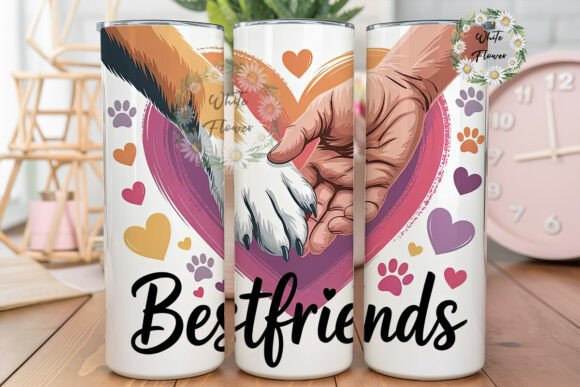
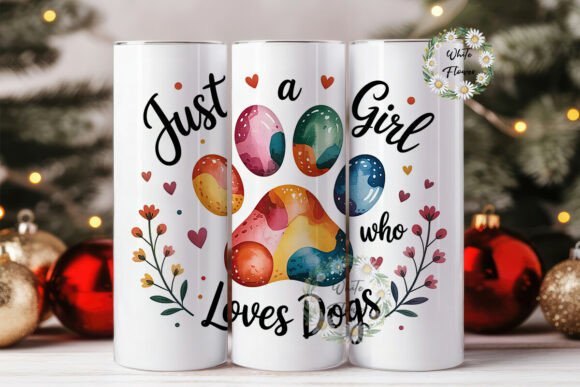
My immediate reaction to this graphic was its natural, approachable mood. The watercolor style brings a softness to what is typically a very literal symbol. It does not scream “novelty,” it whispers “thoughtful pet lover.” That nuance matters when you are trying to reach buyers looking for a personalized gift that feels artistic rather than mass-produced.
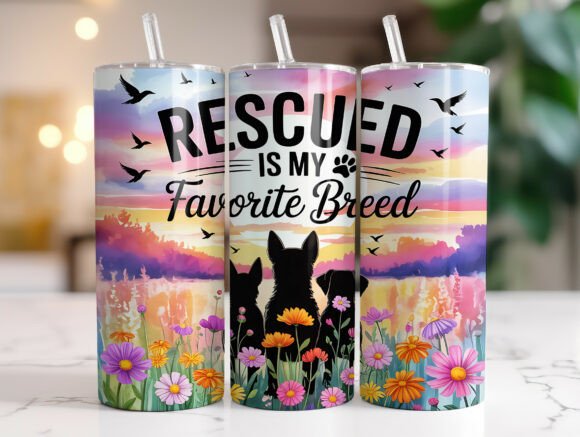
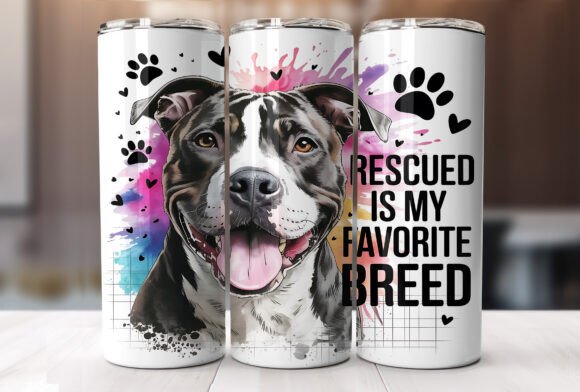
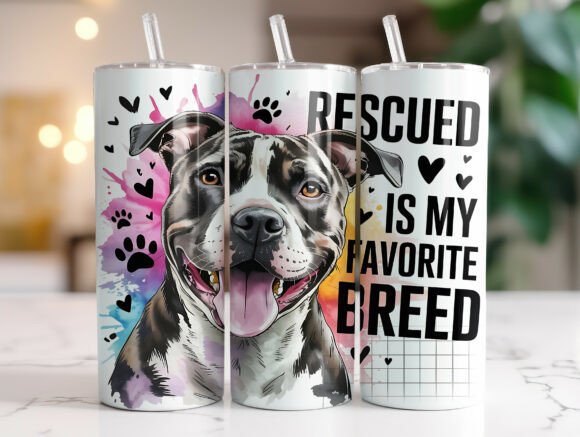
The composition is built around a central paw motif, and the generous canvas of 9.3 x 8.2 inches gives it breathing room. The watercolor wash creates a sense of movement, and the edges of the paw remain distinct enough that the subject doesn’t get lost. At 300 DPI, the clarity is solid for both digital previews and print output. I appreciated that the file comes in both straight and tapered formats. The tapered option shows the artist understands how a design interacts with a curved substrate like a tumbler. That kind of awareness in the original layout tells me the designer was thinking about real product application, not just a flat screen aesthetic.
Translating Watercolor to Stitch and Fabric
Here is where the real judgment comes in for an embroidery designer. Watercolor effects are popular, but they can be tricky to translate into thread. The soft blending and gradient washes need careful planning during digitizing. If I am turning this into an embroidery file, I would focus on layered fill stitch patterns to simulate the watercolor texture. You need to build up the color transitions using thoughtful thread color choices rather than relying on dense pixel blending.
Because the design relies on a painterly feel, the stitch density needs to be balanced. Too dense, and the fabric becomes board-like, destroying the soft impression the watercolor look intends. Too light, and you lose the structure of the paw. I would recommend testing this on scrap fabric first using a combination of satin stitch for the sharper paw pad edges and running stitch or low-density fill for the background wash areas. If you are working with applique design techniques, you could use fabric layers to capture the color blotches, then stitch the paw outline over the top. That approach preserves the watercolor softness while adding dimensional depth.
Best Product Applications for This Graphic
This design has a natural home in the pet lover market, but it can go beyond basic dog tees. I immediately thought about a custom tote bag for a dog rescue fundraiser. Combining a sublimated panel using this design with an embroidered patch over the top creates a high-value hybrid product that sells well at craft fairs and online boutiques.
For custom apparel, a structured sweatshirt or a denim jacket is the ideal canvas. The 9.3 x 8.2 inch dimensions are substantial, so this works beautifully as a back design on a youth jacket or a front centerpiece on a heavy canvas apron. It also fits a 20oz tumbler perfectly, which is a standard size for drinkware and fits most car cup holders. That practical compatibility means your handmade product has immediate utility for the end buyer. Whether you use it as a straight wrap print or the tapered version for full cup coverage, the design aligns well with the substrate.
Hoop Size, Fabric, and Stabilizer Strategy
Because this graphic covers roughly 9.3 by 8.2 inches, you are looking at a minimum hoop size of 10x10 inches. This immediately rules out small projects like baby onesies or cap fronts unless you scale it down significantly and lose some of the watercolor detail. If you are making embroidered patches, you can certainly isolate the paw motif, but the full composition demands a larger hoop.
For fabric selection, I would steer towards mid to heavyweight materials. Twill, oxford cloth, structured fleece, and even quilted cotton hold the stitches well without puckering. Lighter fabrics like standard tee shirt knits may require a heavy-duty stabilizer to prevent distortion. I recommend a high quality cutaway stabilizer for structural support, especially if you plan to sell these items commercially. The watercolor style naturally has softer edges, which helps mask minor registration shifts, but you still need a stable base. On textured fabrics like fleece, use a water soluble topping to keep the stitches from sinking into the nap and losing clarity.
Layout Details and Commercial Considerations
The design is noted as “not seamless,” which is standard for a tumbler wrap. For a sublimation project, this means you need to be careful with your panel alignment and seam allowance. For an embroidery project, this doesn’t affect the stitching directly, but it reminds you to consider the full product assembly if you are combining print and stitch techniques.
From a small shop product standpoint, this design has strong gift appeal. Pet owners are a loyal and emotional buying audience. A product that features an artistic watercolor paw elevates the perceived value compared to a standard clipart style. It looks curated. When you present it in a printable mockup showing the tumbler or a quality sweatshirt, customers immediately imagine it as a personalized gift for a fellow dog owner. That visual connection drives conversions on Etsy and at craft fairs.
Before you start production, double check your commercial licensing rights. The specific license terms for this graphic are not detailed in the file description, so you need to confirm whether reselling the finished handmade product or using it in your digital product catalog is allowed. Most standard licenses cover physical products, but always verify to protect your craft business.
Practical Steps Before Your First Stitch
My advice to any Etsy seller or apparel decorator is to run a full test before committing to a production run. Here is my checklist for this design:
- Test on scrap fabric matching your final product weight before stitching a client’s item.
- Check thread color contrast. The watercolor look often uses pastel or muted tones. Make sure your thread palette matches the intended mood, and that the paw stands out against the background.
- Review stitch density in your embroidery software. Adjust fill patterns to keep the soft watercolor feel without over saturating the fabric.
- Confirm your hoop size. This design requires a large hoop or multi-positioning if your machine has a smaller field.
- Test in black and white mockups to see if the composition holds its visual weight without color distraction.
- Compare light and dark fabrics. A white or cream base will let the watercolor feel shine. Dark backgrounds may require an applique base layer or higher stitch density to avoid fabric show-through.
Final Thoughts for the Creative Entrepreneur
The Dog Paw Watercolor 20oz Tumbler Wrap is a versatile design asset that fits well into a pet-focused product line. Its strengths lie in its artistic mood, practical size, and thoughtful layout options for straight and tapered substrates. It performs best on structured fabrics and large hoops, and it offers strong visual appeal for personalized gifts and boutique merchandise.
If you are a maker looking to add a refined pet design to your catalog, this graphic gives you a solid foundation. Just take the time to test your digitizing setup, stabilize properly, and confirm your licensing. With the right execution, this watercolor paw will resonate with dog lovers and keep them coming back to your shop for more.