Dog Mama Leopard Tumbler Wrap: A Designer's Review
When I first opened the Dog Mama Leopard 20oz Tumbler Wrap, I was curious how a print-based graphic would translate into the hands-on projects my clients expect. As someone who spends equal time behind a digitizing console and a sewing machine, I evaluate design assets not just for their visual appeal but for how they behave in real workflows. This wrap sits at an interesting intersection: it is a print file, but its layout, motif, and structure offer plenty of insight for embroidery designers and craft business owners who want to create cohesive product lines. Let me walk through what this design actually delivers when you bring it into your shop.
First Impressions: Mood, Layout, and Visual Personality
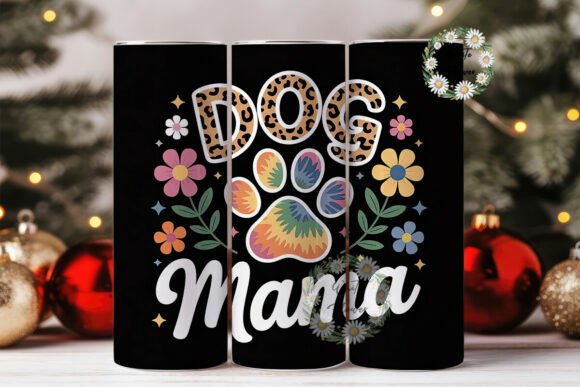
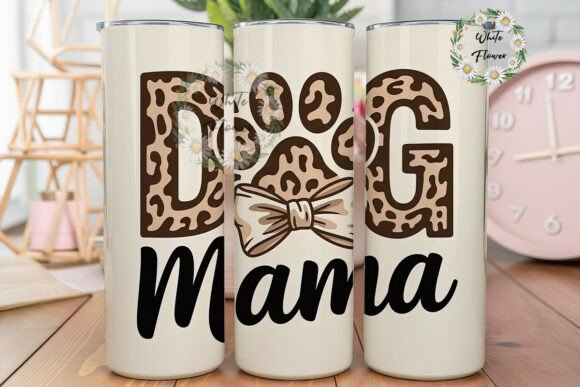
The Dog Mama Leopard 20oz Tumbler Wrap strikes a confident, playful tone. The leopard pattern is bold without being chaotic, and the dog-mama theme gives it a clear target audience: pet owners who want their accessories to feel personal and a little wild. At the specified size of 9.3 by 8.2 inches, the design fills a standard tumbler nicely, and having both straight and tapered files means you can adapt it to different cup profiles without warping the artwork. That kind of forethought matters when you are preparing printable mockups or prepping files for sublimation.
The design is not seamless, which for a tumbler wrap is actually a practical choice. A non-seamless wrap often aligns better with the natural seam of a tumbler substrate and gives the layout a deliberate start and end point. The 300 DPI resolution ensures crisp edges, so if you decide to scale the graphic for other uses like embroidered patches or custom apparel references, you have enough detail to work with. The leopard spots carry enough variation to feel organic, and the lettering or badge elements reinforce the dog-mama identity without overwhelming the pattern.
Real Project Use: From Tumbler to Tote
I recently used the Dog Mama Leopard 20oz Tumbler Wrap as a reference for a custom tote bag design that a client wanted to coordinate with her tumbler. She runs a small boutique that sells personalized gifts for dog owners, and she loved the idea of offering matching products. I took the leopard motif and digitized it as a combination of satin stitch and fill stitch elements for the tote bag front. The 9.3 by 8.2 inch proportions translated nicely to a medium-sized embroidered patch layout on canvas. The spots worked well as standalone embroidery shapes because they are distinct without being too tiny for the needle to track.
For a sweatshirt embroidery project, I used the tapered version of the wrap as inspiration for a chest-level design. The taper helped me visualize how a leopard pattern could wrap around a curved garment surface. I reduced the scale slightly and converted the spots into applique design pieces with a running stitch outline. That project sold at a craft fair within an hour. Customers responded to the familiar leopard print combined with the dog-mama sentiment — it felt both trendy and heartfelt.
Where This Design Shines in Embroidery and Craft Work
This graphic is versatile enough to inspire multiple machine embroidery design projects, especially if you work in commercial embroidery or run an Etsy seller shop. Here are the applications where I have seen it perform best:
- Custom apparel: Leopard motifs on sweatshirts, t-shirts, and hoodies for dog-themed boutiques
- Embroidered patches: Digitize individual spots or badge elements for iron-on patches sold as design assets
- Tote bag design: The 9.3 x 8.2 inch footprint fits nicely on canvas totes without needing extreme resizing
- Baby embroidery: Scale down the pattern for a onesie or bib — the spots soften into a playful print
- Holiday embroidery: Pair the wrap with seasonal colors for limited-edition dog-mama gifts
- Pillow covers and tea towels: The non-seamless layout translates well to home decor items where a single centered motif works best
- Printable mockups: Use the straight and tapered files to create accurate product previews for your digital embroidery file listings
When to Be Careful: Fabric, Hoop Size, and Detail Limits
No design is one-size-fits-all, and the Dog Mama Leopard 20oz Tumbler Wrap has characteristics that demand caution in certain scenarios. Because it is a print file, you are not working with native stitch density data — you need to digitize from scratch. That means you have full control, but also full responsibility for how the design behaves on fabric.
- Small hoop sizes: If you are using a 4x4 hoop, you will need to reduce the design significantly or break it into sections. The leopard spots can lose definition below a certain size. Test a sample at your intended scale before committing to production.
- Textured fabrics: Fleece, boucle, or thick knits can swallow the fine edges of the spots. Use a dense fill stitch and a firm stabilizer to maintain shape.
- Thin or stretchy fabric: Leopard patterns rely on clear contrast between the background and the spots. On stretchy jersey, the embroidery can distort if you do not use a cutaway stabilizer and adjust thread colors for high contrast.
- Dark fabric: If the spots are digitized in dark thread on a dark background, the pattern will disappear. Always review your thread color palette against the fabric color in both natural and artificial light.
- Curved surfaces like caps: The tapered file gives you a head start on visualizing curvature, but you will still need to test the digitized version on a cap hoop to ensure the spots do not stretch or compress unevenly.
- Tiny lettering: If the wrap includes small text, be prepared to enlarge it or convert to satin stitch for legibility at embroidery scale. Print resolution does not always translate to stitch clarity.
- Products needing frequent washing: Leopard patterns with high stitch density can pucker if the stabilizer is not trimmed properly. For tea towels, baby items, or kitchen linens, use a tear-away or wash-away stabilizer and keep stitch counts moderate.
How the Design Affects Product Value and Customer Trust
When you build a handmade product around a motif like this, you are making a promise about quality and personality. Customers who buy dog-mama items are often buying for themselves or as personalized gifts for someone they care about. They notice when the pattern lines up neatly, when the colors pop, and when the design feels intentional. The Dog Mama Leopard 20oz Tumbler Wrap gives you a solid foundation because the layout is already well-proportioned and the theme is specific without being niche to the point of exclusion.
In my experience, small shop merchandise that coordinates across product types — tumbler, tote, sweatshirt, patch — builds brand consistency and encourages repeat buyers. If you sell the tumbler as a finished product and also offer an embroidered patch with the same leopard motif, customers see a cohesive collection. That perception of professionalism increases buyer engagement and makes your items feel more giftable. The wrap's non-seamless format actually helps here because each product feels individually placed rather than mass-produced.
Embroidery Designer Notes: Practical Steps Before You Sew
Before you turn this graphic into an embroidery file for a client project or your own craft business, here are the steps I run through every time:
- Test on scrap fabric first: Digitize a small section of the leopard spots and stitch them onto the exact fabric you plan to use. Check how the stitch density feels — too dense and the fabric may pucker, too loose and the spots lose definition.
- Check thread color contrast: The leopard pattern works best with a dark spot color and a light or medium background. If your fabric is already printed or textured, adjust your palette accordingly.
- Confirm hoop size: At 9.3 by 8.2 inches, the full design requires a large hoop. If you only have a 5x7 hoop, you will need to split the design or scale it down. Test the scaled version for readability.
- Inspect small details: Any fine lines or tiny spots below 3mm may not stitch cleanly in satin stitch or running stitch. Enlarge them or simplify the motif.
- Test in black and white mockups: Remove color and look at the value contrast. If the pattern disappears in grayscale, it will also disappear on low-contrast fabric.
- Compare light and dark fabric backgrounds: Stitch a sample on white, cream, and black fabric to see which version communicates the dog-mama theme most clearly.
- Use proper stabilizer: For most woven fabrics, a medium-weight cutaway stabilizer works well. For knits, use a firmer stabilizer and consider a topper to prevent the spots from sinking into the nap.
- Confirm licensing before selling: Since this is a Graphics product in the Tumbler Wraps category, check the license terms for commercial embroidery use. If you plan to sell finished items or digital products derived from the design, make sure your usage is covered. When in doubt, contact the seller directly.
- Test the straight and tapered files: Both versions are included, so stitch a sample with each to see which aligns better with your product shape. The tapered file is especially useful for cone-shaped tumblers and fitted garments.
- Plan your product line: Decide whether you are making a single finished product, a set of coordinating items, or a digital product listing. The wrap's design assets can support all three, but each requires different preparation and pricing.
Final Thoughts: A Design Asset Worth Your Time
The Dog Mama Leopard 20oz Tumbler Wrap earns a practical recommendation from my studio. It is not an embroidery file out of the box — it is a print graphic that requires digitizing — but the layout is clean, the theme is commercially viable, and the inclusion of both straight and tapered files shows real attention to how crafters work. For Etsy sellers, small shop owners, and creative entrepreneurs who want to expand their personalized gift offerings with a coordinated leopard dog-mama collection, this is a strong starting point. Take the time to test your digitized version, choose your fabrics wisely, and verify your license. With those boxes checked, this design can become a reliable part of your embroidery project rotation.