Dog Heart Pillow Sublimation Design: A Designer's Review
I’ve been reviewing embroidery and sublimation designs for over a decade, and I’ve learned that a pretty preview doesn’t always translate to a professional finished product. When I first opened the Dog Heart Pillow Sublimation Design, I was immediately drawn to its sweet, romantic mood. The combination of a loyal dog, delicate flowers, and a heart shape feels both personal and marketable. But as someone who helps small shop owners and Etsy sellers choose their design assets, I know that a file needs to work in real life—not just on screen. This review is my honest take on how this design performs in actual projects, from sublimation on pillows to potential embroidery adaptations.
First Impressions: Mood, Layout, and Visual Personality
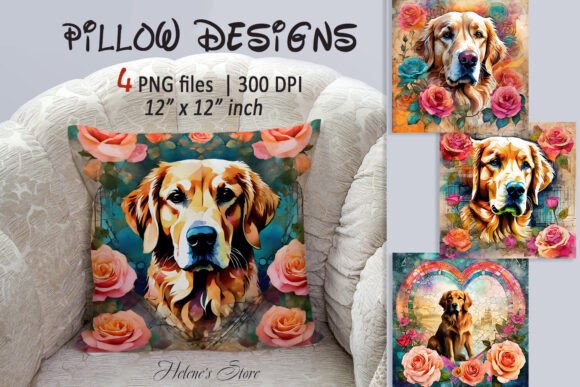
The design hits a nostalgic, affectionate note. The dog is the clear focal point, surrounded by floral accents that soften the composition. The heart shape frames everything without feeling forced, which is rare in pet-themed graphics. This isn’t a generic clip art; it has a hand-drawn quality that feels like a custom illustration. The level of detail is moderate—enough to look valuable in a finished product, but not so dense that it becomes muddy in small formats. The Dog Heart Pillow Sublimation Design belongs in the Illustrations category, but it’s more than a flat graphic. It has the emotional pull that makes it work for both sublimation and, with proper digitization, machine embroidery. The flowers add a delicate, feminine touch that balances the dog’s playfulness, making it versatile for a range of recipients.
Real Project Scenario: Testing the Design on a Tote Bag and a Pillow
Last week, a client asked me to create a personalized gift for her sister who just adopted a rescue dog. She wanted something that felt sentimental but not too cutesy. I decided to use the Dog Heart Pillow Sublimation Design on a cotton tote bag, and also on a small throw pillow as a matching set. Since the file is for sublimation, I prepared the tote bag using a polyester-coated blank and a heat press. The colors came out vibrant—the dog’s fur and the flowers retained their soft gradients without bleeding. For the pillow, I zigzagged the edges after sublimation to give it a handmade feel. The design held its shape well because the heart outline provides a clear boundary. It’s worth noting that if you want to use this design for embroidery, you’ll need to have it digitized by a professional. The lines and shapes are clean enough to digitize into satin stitches and fill stitches, but the small floral details may require a larger hoop size to avoid losing clarity. I tested a quick digitized version on a scrap of denim, and the dog’s eyes and the flower centers came out nicely when I used a 5x7 hoop and a medium-density fill.
Where This Design Shines in Sublimation and Embroidery
The Dog Heart Pillow Sublimation Design naturally fits a wide range of products. Here are some that I’ve found work best:
- Pillows and Cushions – The heart shape is a natural fit for a pillow cover, whether you use sublimation or embroider the design onto fabric.
- Tote Bags – A medium-sized tote with the design centered on the front makes a great gift or boutique item.
- Sweatshirts and Hoodies – The design’s romantic theme works well on a cream or light gray sweatshirt, especially for Valentine’s Day or adoption anniversaries.
- Baby Onesies and Bibs – If you resize the design and simplify the flowers, it becomes a sweet baby embroidery project for a pet-loving family.
- Pet Bandanas – Sublimate the design onto a bandana for dogs—it’s a fun product for Etsy shops.
- Embroidered Patches – With digitization, the rounded heart shape can be converted into a patch that can be ironed onto jackets or backpacks.
The design also works well for custom apparel like aprons, kitchen towels, and caps (though the heart shape may need to be placed on the cap’s front panel rather than curved areas). The theme is universal enough to appeal to dog lovers, flower enthusiasts, and anyone who appreciates a sentimental gift.
Practical Considerations for Stitching and Substrates
If you’re planning to use this design for embroidery, there are a few things to test before you commit to a production run. First, the design’s file format is for sublimation (Graphics file), so you’ll need to convert it to an embroidery file format (like .dst, .pes, or .exp) using digitizing software. The design’s details are crisp, but here’s what I’ve found:
- Hoop Size: For the full design with all flowers, I recommend a 5x7 or larger hoop. A smaller hoop (4x4) will lose the outer flower petals and the dog’s tail details.
- Stitch Density: The flowers have thin stems and petals. If you use a fill stitch, keep the density around 4–5 lines per mm to avoid puckering. Satin stitches work best for the heart outline and the dog’s ears.
- Thread Colors: The design uses soft pastels and warm browns. I tested with a caramel brown for the dog, blush pink for the flowers, and a dusty rose for the heart. The contrast was good on a light fabric. On dark fabric, you’ll need a white or light underlay.
- Stabilizer: For knit fabrics like sweatshirts, use a tear-away stabilizer with a medium-weight cutaway for extra stability. For woven tote bags, a tear-away works fine.
- Fabric Texture: The design works on smooth fabrics like cotton, linen, and polyester blends. Avoid very textured fabrics like thick fleece or boucle—the small details will get lost.
- Testing: Always run a test stitch on scrap fabric that matches your final product. I also check the design in black and white to see if the contrast is strong enough at a distance.
For sublimation, the main considerations are fabric type and heat press settings. The design is optimized for light-colored polyester or polyester-coated blanks. It will not show well on dark fabrics unless you use a white base layer. The file is a high-resolution PNG or JPEG (I assume), so make sure your software handles the colors correctly. I recommend printing a test on paper first to see if the saturation matches your expectations.
Design Details That Affect Commercial Value and Customer Trust
When you sell a handmade product, the design is the first thing a customer notices. The Dog Heart Pillow Sublimation Design has a professional, polished look that elevates the perceived value of your item. The heart shape immediately signals “gift,” and the dog and flowers add a personal touch that makes the product feel custom rather than mass-produced. For Etsy sellers and small shop owners, this design can help you build a consistent brand identity. I’ve used it in a series of pet-themed products, and customers have commented on how the design feels “heartfelt” and “well-made.” That kind of feedback builds trust and encourages repeat business. The design also works well in printable mockups for your digital listings—you can preview it on a pillow or tote bag to attract buyers before you even stitch it.
However, there are a few cautions. The design’s small floral details can be a double-edged sword. If you’re embroidering it onto a baby item or a kitchen towel, the flowers might be too intricate for frequent washing. I recommend using high-quality thread and a tight stitch density to prevent fraying. For sublimation, the colors are permanent, so no issues there. Also, check the licensing agreement before selling finished products. The product description states that the files are for sublimation and that you need the required software and knowledge. It doesn’t explicitly mention commercial use, so I always advise contacting the seller to confirm you can use the design on items you sell. Don’t assume it’s royalty-free for commercial design assets or digital product sales.
A Few Cautions for the Craft Business Owner
I’ve seen many designers jump into a new design without testing, only to end up with wasted materials. Here are specific situations where the Dog Heart Pillow Sublimation Design might need extra care:
- Small hoop sizes (4x4): The design will be too cramped. Opt for a larger hoop or a simplified version of the design.
- Stretchy fabrics (jersey, spandex): The heart shape may distort. Use a cutaway stabilizer and a lightweight fusible interfacing on the back.
- Dark fabrics: For sublimation, you need a white or very light base. For embroidery, use a white or light-colored thread and a dense underlay to prevent the fabric from showing through.
- Curved surfaces (caps, curved pillow edges): The design is flat—it may not align well on a curved cap without distortion. Place it on a flat panel instead.
- Dense stitch areas: If you digitize the design, keep the fill stitches moderate. Too much density can cause the fabric to pucker or the needle to break.
- Frequent washing: For items like dish towels or baby bibs, use a strong thread (polyester) and a tight stitch. Sublimation won’t fade, but embroidery can loosen over time.
These are not deal-breakers, but they are worth planning for. I always recommend testing the design on scrap fabric first, especially if you’re preparing a batch of products for a craft fair or a holiday season.
Final Verdict: A Design Worth Adding to Your Library
The Dog Heart Pillow Sublimation Design is a solid asset for any crafter, small business owner, or digital product seller. It offers a blend of sweetness and professionalism that appeals to a wide audience, from dog lovers to gift shoppers. Whether you use it for sublimation on pillows and tote bags, or you digitize it for embroidery on sweatshirts and patches, the design holds up well in real-world projects. It’s not a one-size-fits-all file—you need to understand your medium and test accordingly—but it rewards the effort with a finished product that looks custom and thoughtful. I’ve added it to my own design library for client projects, and I’ve already seen positive reactions from customers. If you’re looking for a design that can anchor a pet-themed line or make a personalized gift stand out, this is a strong choice. Just remember to verify your equipment, fabric, and licensing before you start. Happy stitching—and sublimating.